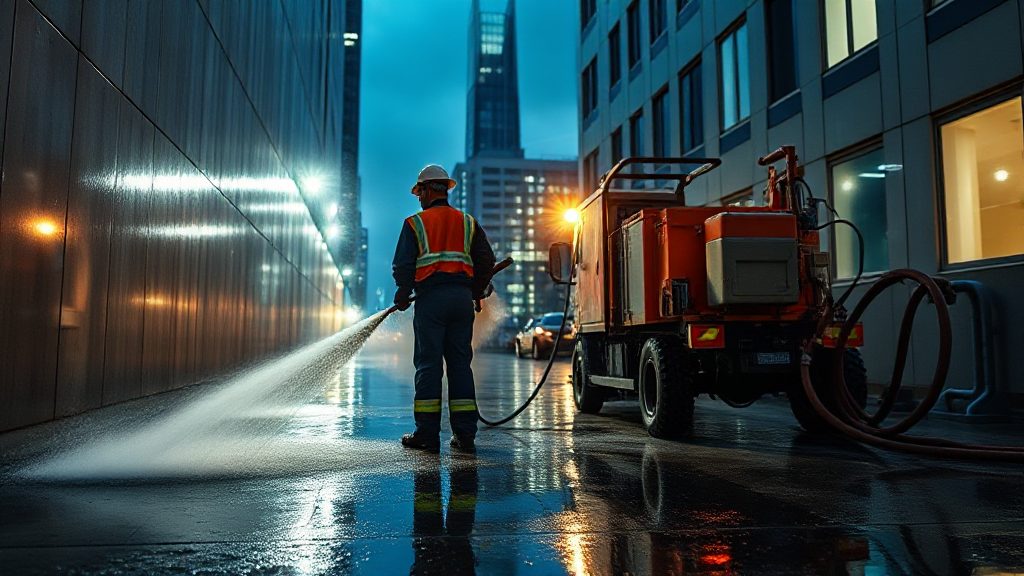
What Hydrojetting Sounds Like in a Lauzane Paulista Building
Picture the loudest appliance in your apartment — the blender at full speed, the vacuum cleaner on a bare floor, the washing machine spinning a heavy duvet. Now imagine that sound multiplied, stretched into a low mechanical roar that travels through concrete, and you are close to what a hydrojetting crew brings into a Lauzane Paulista building. If you are the neighbor who hears it first, this guide is for you.
When a building calls a desentupidora Limão São Paulo SP, the goal is usually urgent: a backed-up column, a flooded garage, a kitchen line that refuses to drain. But the work itself is loud, physical and sometimes smelly, and knowing what to expect makes the whole event easier to live through.
The noise: what a hydrojetting crew actually sounds like inside the building
Hydrojetting uses water at extremely high pressure to scour grease, roots and scale from inside a pipe. The pump unit sits outside, usually in a service truck, but the sound is not confined to the street. Neighbors on the lower floors typically describe it as a sustained industrial hum with a rhythmic pulse, like a generator running under load.
Inside the apartment, the most noticeable noise often comes from the access points. When the technician feeds the hose into a cleanout, a drain or a shaft, the pipe itself vibrates and transmits sound through the walls. Bathrooms and kitchens directly above or beside the work area can sound like a motorcycle idling in the next room.
How long the noise lasts
Short blockages in a single branch line may be cleared in under an hour. A main column or a long horizontal run can take several hours, especially if the crew has to work in stages. The loudest phase is usually the initial jetting; once the line opens, the pump may run at lower pressure while the technician confirms flow.
Which parts of the building hear it most
Sound travels through structure, not just air. Apartments sharing a wall with the shaft, the garage ceiling or the service corridor usually hear more than units on the opposite side of the floor. If your building has a basement or subfloor, expect the crew to spend time there, and expect the noise to carry upward through the slab.
Vibration, smell and access: the other sensory surprises
Noise is only part of the experience. A professional desentupidora Limão team will warn residents about the other effects, but it helps to know them in advance so nobody panics.
Vibration through walls and floors
High-pressure water and the hose movement create a steady tremor that can rattle loose objects near the pipes. Pictures hung on shared walls, glasses in cupboards and items on bathroom shelves may shift slightly. It is rarely dangerous, but it is noticeable, and it is why technicians sometimes ask residents to clear fragile items from the immediate area.
Smell during and after the work
Opening a blocked sewage or grease line releases trapped gases and organic material. The smell can be strong in bathrooms, kitchens and service areas for a short period. Crews usually ventilate the area, seal access points afterward and flush the line, but a lingering odor for a few hours is normal. If the smell persists for days, report it to the building manager.
Access and movement inside the building
Expect hoses, equipment cases and wet floors in corridors, garages or courtyards. Some buildings restrict elevator use during the work or ask residents to avoid certain stairwells. A good crew will mark wet areas, but you should still walk carefully, especially in the garage or near the trash room.
How to prepare your apartment and warn your neighbors
Preparation is mostly about communication and small practical steps. If you are the resident organizing the visit, a short message to the building group chat goes a long way. If you are a neighbor, these steps help you avoid surprises.
- Clear the area near shared walls and shafts so nothing fragile can fall or vibrate off a shelf.
- Move cars from the garage entrance if the crew needs space for the truck and hose reel.
- Keep children and pets away from open access points and wet corridors during the work.
- Close windows facing the service area if odors become noticeable, and ventilate afterward.
- Ask the building manager for a time window so residents know when the loudest phase will happen.
For a building-wide issue, the manager or syndic usually coordinates the visit. A reputable desentupidora em Limão São Paulo SP will confirm the scope, explain whether hydrojetting or suction is needed and give a realistic estimate of duration. That estimate is your best tool for planning around the noise.
What to expect from a professional crew, and when to call
Professional hydrojetting and suction work is not a quiet favor from a neighbor with a plunger. It involves specialized equipment, safety procedures and, in many buildings, coordination with the condominium rules. A crew that arrives with uniformed technicians, proper hoses and a clear explanation of the work is a good sign.
You should call for help when you notice repeated slow drains, gurgling sounds in multiple fixtures, sewage backing up into showers or floor drains, or water pooling in the garage. Waiting usually makes the blockage worse and the work longer, which means more noise for everyone.
If the problem is inside your own unit, you may only need a single line cleared. If it affects several apartments, the building’s main column is likely involved, and the work will be larger. Either way, ask the crew how long the loud phase will last and whether the water needs to be shut off during the job.
FAQ: hydrojetting noise and building life in Lauzane Paulista
Will I need to leave my apartment during the work?
In most cases, no. You may prefer to step out during the loudest hour if you work from home or have a baby, but evacuation is rarely required unless the crew is working directly inside your unit or there is a safety concern.
How loud is hydrojetting compared with a normal drain snake?
Hydrojetting is generally louder and more sustained because it uses a high-pressure pump. A manual snake is quieter but limited in what it can clear. For heavy grease or root intrusion, the louder method is usually the one that actually solves the problem.
Can the vibration damage my walls or tiles?
Serious damage is uncommon when the work is done by trained technicians. Minor rattling and shifting of loose items can happen. If you have recently installed tiles or have cracked plaster near the pipes, mention it to the building manager before the crew starts.
What should I do if the smell stays after the crew leaves?
Ventilate the area, run water in the affected fixtures and check that floor drains have water in their traps. If the odor persists or returns with backups, contact the building manager and request a follow-up inspection, as it may indicate a remaining blockage or a venting issue.
Be First to Comment