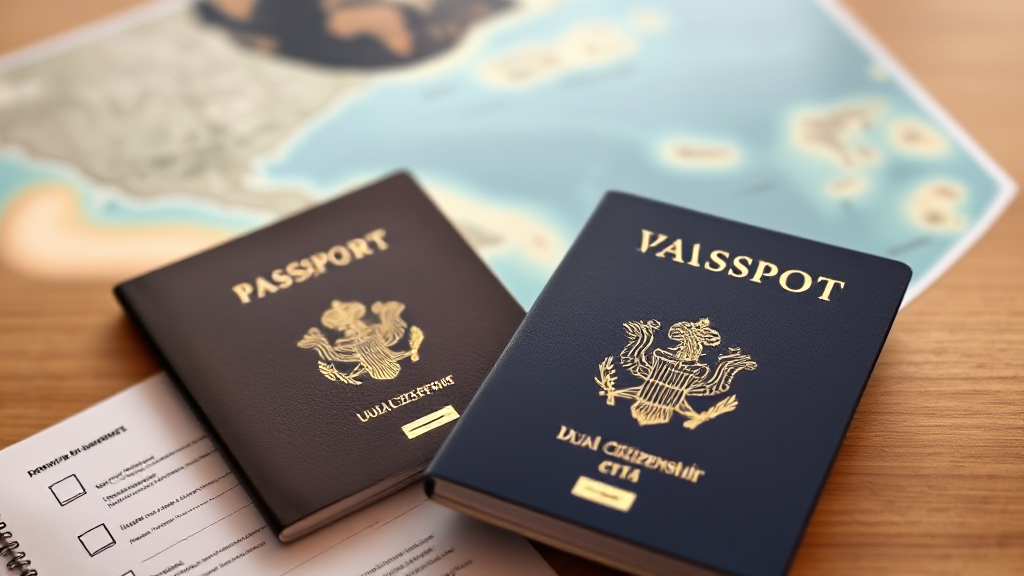
Why Did Vanuatu Dual Citizenship Rules Just Change and How Do You Keep Your Checklist Clean?
The biggest recent shift for anyone tracking a second passport is that Vanuatu’s citizenship programs now face tighter international scrutiny and revised due diligence expectations, which means the old habit of treating a second passport as a quick paperwork errand no longer holds up. If you are working through this while holding down a job and a family, you need a checklist that answers the practical questions first: whether you keep your original passport, what the tax picture looks like, what documents actually get reviewed, and where the process can stall. The cleanest starting point for that research is https://vanuatudualcitizenship.com/, because it lays out the rules, the renunciation question, and the cost and benefit structure in one place instead of scattering it across forums and outdated blog posts.
What changed recently is not the existence of dual citizenship itself. What changed is the level of verification behind it. Banks, immigration officers, and even employers now look harder at how a second citizenship was obtained, and Vanuatu has responded by tightening the checks that sit behind its programs. For a working person following a checklist, that means the timeline is less predictable, the document trail matters more, and the order in which you do things can save you weeks.
Below is the checklist I wish I had when I started looking into this. It is written for someone who wants a straight answer, not a sales pitch.
Your Working Checklist Before You Commit to Anything
Start with the question that trips up most people: do you have to give up your current citizenship? In most cases, no. Vanuatu permits dual citizenship, so you can generally hold your existing passport alongside a Vanuatu passport. That single fact changes the whole planning conversation, because you are not choosing between two identities, you are adding a travel and residency tool to the one you already have. Still, the rules around renunciation and how other countries treat a second nationality vary, so this is the point where you verify your home country’s position rather than assuming it.
Next, get honest about the tax question. A second citizenship is not the same thing as a second tax residency, and people conflate the two constantly. Vanuatu does not levy personal income tax, which is one reason it draws attention, but your obligations to your home country usually follow your residency and your citizenship status there, not your new passport. If you are a US citizen, for example, you file based on US rules regardless of a second nationality. The practical checklist item is simple: write down where you are tax resident, where your income is sourced, and which reporting forms your current country expects. Then confirm how a second citizenship interacts with those, ideally with a tax professional who handles cross-border cases.
Then build the document list before you talk to anyone about fees. Expect to gather proof of identity, proof of funds, police or background certificates, and details on the source of the money you plan to use. The due diligence stage is where applications slow down, and incomplete paperwork is the most common reason. If your documents have expired, or your name appears differently across them, fix that first. A mismatch between your passport name and your bank records is the kind of small thing that turns into a month-long delay.
Finally, price the whole thing, not just the headline number. There is a program contribution or investment, plus government fees, plus due diligence costs, plus professional and administrative charges. Ask for a written breakdown and compare it against the requirements and costs published on https://vanuatudualcitizenship.com/, which is useful precisely because it separates the components instead of quoting one lump figure. If a number looks unusually low, ask which line item was left out.
How to Keep the Process on Track Without Losing Weeks
Once the basics are settled, the work becomes about sequencing. The order matters more than most people expect.
Start with eligibility. Confirm that you qualify under the route you are considering, and confirm it in writing. Age, health, criminal record, and source of funds all feed into this. If any of those is borderline, resolve it before you spend money on translations or certifications.
Then handle the authentication chain. Documents often need notarisation, apostille or consular legalisation, and certified translation. Each step depends on the one before it, so a missing apostille can invalidate a translation you already paid for. Build the chain in order and keep digital copies of everything as you go.
Next, submit a complete package rather than a fast one. Speed is tempting, but a rushed submission that triggers a request for more information usually ends up slower than a careful one. Keep a simple tracker: document, status, date sent, date returned, outstanding action. That single spreadsheet is the difference between a calm process and a frantic one.
While you wait, sort out the travel side. A second passport is often chosen for visa-free access, but the value depends on where you actually go. List the countries you visit for work, family, or holidays and check how a Vanuatu passport changes your entry requirements for each. Do not rely on a general ranking; check the specific destinations that matter to you. This is also the moment to check passport validity rules, because many countries require six months of remaining validity, and a brand-new passport solves that neatly.
Then think about what the passport does not do. It does not automatically give you residency somewhere else, it does not erase reporting obligations in your home country, and it does not replace proper tax planning. Treat it as one component of a broader plan, not the whole plan.
Finally, keep records after approval. Store your citizenship certificate, your new passport, and the correspondence from the process together. If you ever need to prove how you obtained citizenship, for a bank, an employer, or a future application, that file saves you a lot of reconstruction.
If you follow this order, the process stops feeling like a maze and starts feeling like a project with a beginning, a middle, and an end. The rules have tightened, but they have not become unreasonable. What has changed is that sloppy preparation is now more visible, and thorough preparation is rewarded. Work the checklist, verify each item rather than assuming it, and you will come out the other side with a second passport and your original one still in hand.
Be First to Comment